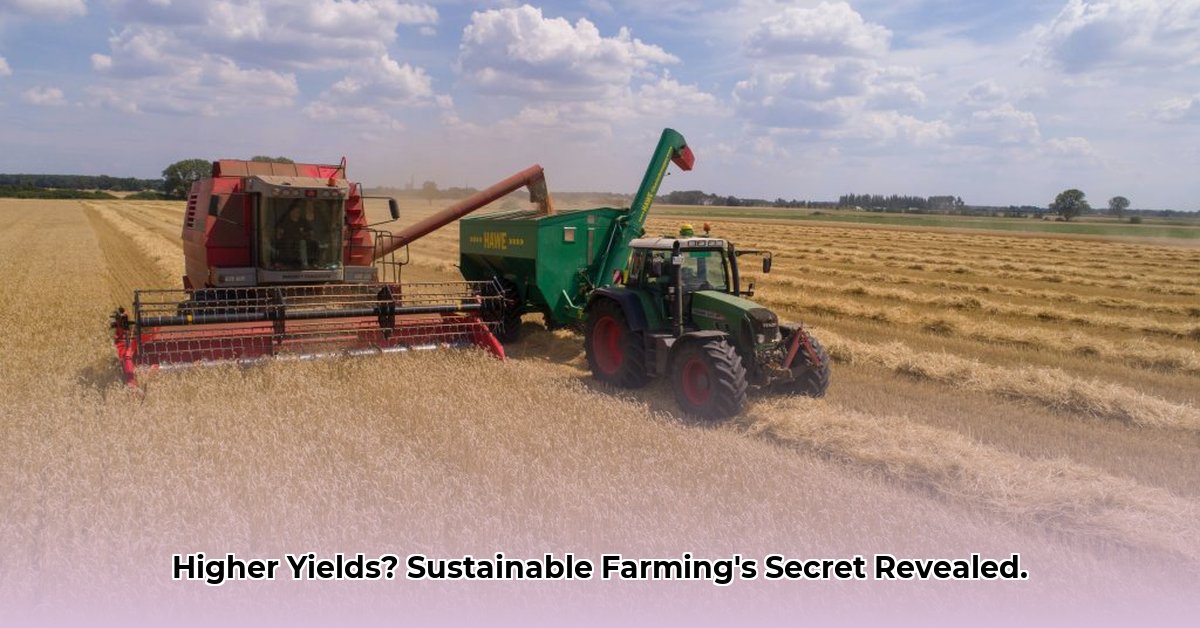
Modern tractors are revolutionizing farming, increasing efficiency and productivity while simultaneously minimizing environmental impact. This article explores how technological advancements and sustainable practices are transforming agriculture, offering actionable steps for farmers to enhance yields and build a sustainable future. For more on specialized tractor tires, see this resource.
Fuel Efficiency: A Greener Bottom Line
Fuel costs are a major expense for farmers. Fortunately, modern tractors are becoming significantly more fuel-efficient. Hybrid and electric models are emerging, promising substantial reductions in both fuel consumption and greenhouse gas emissions. 1 This translates to considerable cost savings and a reduced environmental footprint. Are these fuel-saving options financially viable for your operation? The answer may surprise you. Switching to more efficient models can lead to substantial savings over the lifetime of the machine.
Precision Farming: Optimizing Resource Use
Precision farming, incorporating GPS guidance and onboard sensors, allows farmers to optimize resource allocation. This technology enables the precise application of fertilizers, pesticides, and water, only where and when needed. 1 Studies show significant reductions (up to 15% in some cases) in chemical use, minimizing environmental impact while boosting profitability. This targeted approach prevents over-application, saving money and preserving natural resources. How can your farm benefit from this level of precision? The possibilities for optimized resource management are significant.
Soil Conservation: Protecting the Future of Farming
Soil compaction is a critical issue affecting crop yields and overall soil health. Modern tractors equipped with specialized tires and no-till farming attachments minimize soil disturbance. 1 No-till farming, in particular, helps maintain healthy soil structure, improving water retention and nutrient availability. This sustainable practice leads to long-term improvements in soil fertility and increased yields. This investment in soil health translates to increased long-term profitability and environmental sustainability. Are you incorporating no-till techniques into your farming practices?
Technological Advancements: The Next Generation of Farming
Self-driving tractors, advanced sensors, and artificial intelligence (AI) are rapidly transforming farming. These technologies offer greater efficiency, reduced labor costs, and optimized resource management. While still under development, their potential is transformative. 1 Autonomous tractors may lead to more efficient land use and improved resource allocation, though further research is essential to fully understand the long-term impact. The future of farming will likely leverage a combination of human expertise and high-tech automation.
Economic and Environmental Impact: A Comparative Analysis
| Feature | Conventional Tractor | Modern Sustainable Tractor |
|---|---|---|
| Fuel Efficiency | Relatively low | Significantly higher – hybrids & electrics becoming common |
| Precision Application | Often imprecise | Highly precise, using GPS and sensors to minimize waste |
| Soil Compaction | High risk | Lower compaction, thanks to advanced tire technology & no-till practices |
| Environmental Impact | Higher emissions, more chemical runoff | Lower emissions and drastically reduced chemical use |
| Initial Investment Cost | Lower | Higher, but often pays off in long-term cost savings |
| Long-Term Cost Savings | Lower initial cost, but higher long-term running costs | Higher upfront cost, but potentially lower long-term costs |
Steps to Sustainable Farming: A Practical Guide
- Assess Current Practices: Identify areas for improvement in your farming operations. Where are your weaknesses?
- Explore New Technologies: Research sustainable technologies such as precision farming and fuel-efficient equipment.
- Seek Expert Advice: Consult with agricultural specialists or extension agents for personalized guidance.
- Develop a Plan: Create a phased approach for adopting new technologies and practices. Don't try to do everything at once.
- Explore Funding Options: Investigate government programs and financial incentives available to support sustainable farming initiatives.
The future of farming relies on integrating technology with sustainable practices. Modern tractors are key to this transition, offering both environmental and economic advantages. By embracing these advancements, farmers can secure a more prosperous and sustainable agricultural future.